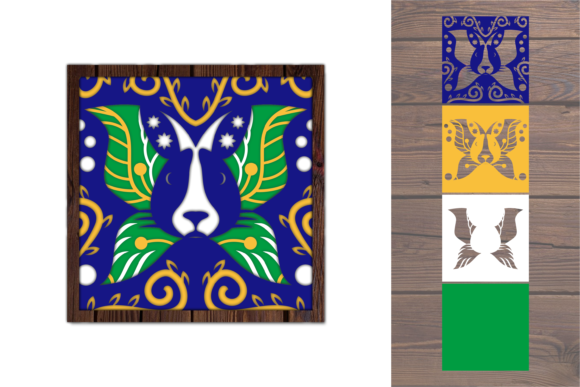
Bunny Embroidery Design: A Practical Project Review
As a designer who has digitized and stitched out thousands of files, I approach every new asset with a healthy dose of skepticism. When I first opened the Bunny with butterfly concept design, I wasn't just looking for a cute aesthetic; I was evaluating its structural integrity for real-world production. This isn't merely a digital illustration; it is a potential machine embroidery design that needs to survive washing, wearing, and customer scrutiny. My initial impression is that this piece carries a soft, whimsical mood that feels organic rather than rigid. The interplay between the bunny and the butterfly suggests movement, which is often difficult to capture in thread without creating excessive bulk or registration issues.
For those of us running a craft business or managing an Etsy shop, the visual personality of this design leans heavily toward nursery decor, spring collections, and personalized gifts. It avoids the overly cartoonish look that can alienate adult buyers, striking a balance that works for both baby items and boutique apparel. However, because this product is listed under Shapes and categorized as a 3D SVG, we must be mindful of how vector lines translate into stitch paths. A beautiful curve on a screen does not always guarantee a smooth satin stitch edge on fabric. As I reviewed the file formats provided (EPS, PDF, SVG), I immediately began planning how to adapt these vectors into a functional embroidery file suitable for commercial use.
Real-World Application: Stitching the Tote Bag Test
To truly evaluate Bunny, I mentally placed it in one of my most common client requests: a custom canvas tote bag. Totes are unforgiving. The fabric texture is coarse, and the material has zero stretch, meaning any puckering from improper stitch density will be permanently visible. In this scenario, the bunny’s outline needs to be crisp but not wire-thin. If I were producing this as a finished product for a small shop, I would likely treat the bunny shape as an applique design base. Using the SVG vector as a cutting guide for fabric placement reduces stitch count significantly compared to a full-fill design, keeping the tote bag lightweight and flexible.
The butterfly element presents a specific challenge in this context. On a textured canvas, tiny details can get lost. For a tote bag design, I would recommend scaling the butterfly up slightly or simplifying its internal segmentation. If the wings rely on delicate running stitch details, they may disappear into the weave of the canvas. Conversely, if this design were destined for a high-thread-count baby onesie, those same fine details would shine. This duality makes Bunny a versatile asset, but it demands that the maker adjusts the execution based on the substrate. For sweatshirt embroidery, where fleece backing can swallow stitches, I would increase the column width of the butterfly’s antennae and legs to ensure they remain distinct after laundering.
Navigating Fabric Limitations and Hoop Constraints
Every experienced embroiderer knows that a design’s success depends entirely on what lies beneath it. While Bunny has strong bones, there are specific environments where caution is required. I would hesitate to use this design in its standard form on performance wear or thin, stretchy knits without significant modification. The combination of a solid bunny shape and detailed butterfly accents creates variable density zones. On unstable fabrics, this differential shrinkage during stitching can cause warping. Always pair this design with a high-quality cutaway stabilizer when working with jersey or interlock knits to maintain the integrity of the 3D effect.
Curved surfaces like caps also require careful consideration. The vertical orientation of a bunny often conflicts with the horizontal curvature of a hat front. Before committing Bunny to headwear, test the aspect ratio. You may need to widen the stance or adjust the butterfly’s position to prevent distortion at the edges of the cap frame. Additionally, dark fabrics pose a contrast risk. If the bunny is intended to be white or pastel, ensure your underlay is sufficient to prevent the dark fabric from grinning through the top threads. For commercial embroidery projects involving team uniforms or branded merchandise, verify that the design maintains legibility when scaled down to fit smaller left-chest placements. Tiny lettering or intricate wing veins should be removed if the final size drops below three inches.
Elevating Product Value and Customer Trust
In the handmade marketplace, presentation is everything. Using a well-conceived design like Bunny signals professionalism to potential buyers. When customers see clean satin edges and balanced proportions, they trust the quality of the entire handmade product. This design’s gentle theme naturally enhances the perceived value of nursery blankets, holiday gifts, and personalized keepsakes. However, value is also derived from durability. A beautiful design that unravels after one wash destroys brand reputation. By treating the provided vector files as a blueprint rather than a final destination, you ensure the finished product meets safety and quality standards.
For digital product sellers and creative entrepreneurs, this asset offers flexibility beyond physical stitching. The EPS and PDF formats allow for the creation of professional printable mockups and marketing materials. You can showcase the Bunny concept on tags, packaging, or website banners before ever threading a needle. This consistency across digital and physical touchpoints strengthens brand recognition. Just remember that while the vector art is versatile, the transition to a digital embroidery file requires technical validation. Never sell or use a raw vector as an embroidery file without proper digitizing; doing so risks machine damage and poor results.
Essential Pre-Production Checklist for Makers
Before listing Bunny in your shop or stitching it for a client, run through this practical evaluation process. These steps separate hobbyists from professionals:
- Verify Licensing and Formats: Confirm exactly what rights are included with the EPS, PDF, and SVG files. Ensure you have permission to sell finished embroidered goods or if the license restricts usage to personal projects only.
- Test on Scrap Fabric First: Never stitch a new design directly onto a sellable item. Use a scrap of the exact fabric and stabilizer combination you plan to use for the final project to check for registration errors or tension issues.
- Audit Stitch Density: Inspect the digitized version for areas that are too dense for the chosen fabric. Thin cotton cannot support heavy fill stitches without tearing, while thick denim may require denser coverage to look opaque.
- Check Thread Color Contrast: View your thread palette against the fabric color in natural light. What looks good on a backlit monitor may lack definition in real life, especially for the butterfly’s subtle shading.
- Confirm Hoop Size Compatibility: Measure the actual dimensions of the design after any resizing. Ensure it fits comfortably within your machine’s maximum sewing field with adequate clearance for the presser foot.
- Inspect Small Details: Zoom in on the butterfly’s wings and facial features. If elements are thinner than 1mm, consider converting them to running stitches or removing them entirely to prevent needle breaks and thread bunching.
- Mockup in Black and White: Remove color to evaluate the design’s tonal balance. If the bunny and butterfly blend together without color differentiation, adjust the stitch direction or texture to create separation.
- Validate Washability: If selling baby embroidery or kitchen textiles, perform a wash test. Check for fraying edges or loose threads after a standard cycle to ensure the product survives real-life use.
Ultimately, Bunny represents a promising foundation for a wide range of creative projects. Its charm lies in its simplicity, but its success relies on your technical judgment. Whether you are creating a bespoke personalized gift or stocking your online store with spring apparel, treat this design with the respect due to a professional tool. Adapt it, test it, and refine it until the stitched result matches the promise of the vector. That is how we build sustainable businesses and create heirlooms that last.