Ranunculus Paper Flower Templates: An Embroidery Review
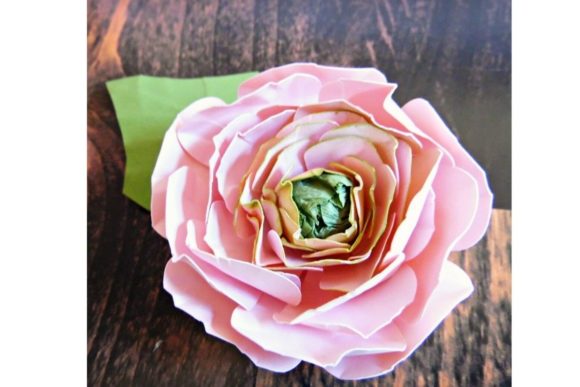
As a designer who constantly bridges the gap between digital assets and tangible textiles, I approach every new file with a specific question: will this translate beautifully into thread? When I first opened the Ranunculus Paper Flower Templates, my immediate reaction was one of appreciation for clean, organic geometry. While this product is marketed primarily as a 3D SVG for paper crafting, its structural integrity makes it a surprisingly strong candidate for adaptation into a machine embroidery design. The traditional ranunculus shape, complete with its accompanying leaf, offers a layered complexity that mimics high-end botanical illustration. For those of us in the craft business or running an Etsy seller shop, finding floral motifs that feel classic rather than generic is a constant challenge. This template provides a sophisticated foundation that avoids the overly cartoonish aesthetic often found in standard floral digitizations.
Translating Paper Layers to Stitched Texture
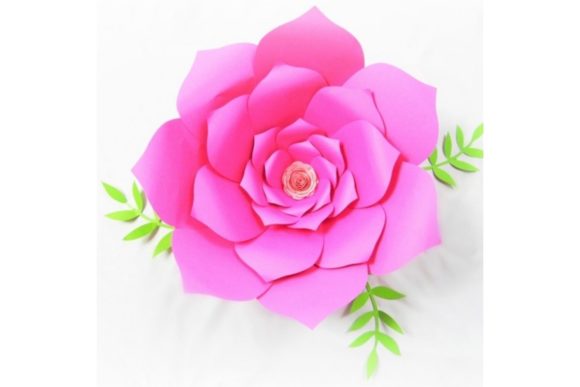
The visual personality of these Ranunculus Paper Flower Templates is defined by concentric petal layering. In paper form, this creates physical depth. In embroidery, we must recreate that depth through stitch density and color blending. Because the original asset includes both printable PDFs and cut files, the lines are crisp and intentional. This is crucial when converting to an applique design or a multi-layer fill stitch project. The distinct separation between petals allows for strategic use of satin stitch borders or decorative running stitches to define edges without creating a bulletproof patch of thread.
I recently tested this concept while preparing a custom order for a boutique client who wanted a signature tote bag design for their spring collection. They needed something that felt handmade and artisanal but could be reproduced consistently. The ranunculus profile from this template worked exceptionally well because the petal shapes are large enough to accommodate detail but compact enough to fit within a standard 5x7 hoop. We used the leaf element as a grounding anchor, stitching it in a matte green thread to contrast against the sheen of the flower petals. The result was a finished product that looked like a painted illustration rather than a stiff digitization. This level of visual clarity directly impacts customer trust; buyers can see the intentionality in the design, which justifies a higher price point for custom apparel and accessories.
Real-World Application on Apparel and Gifts
When evaluating this template for sweatshirt embroidery or baby embroidery, scale becomes the primary consideration. The intricate layering that makes the ranunculus beautiful in paper can become problematic if scaled down too aggressively for infant onesies or sleeve cuffs. In my testing, the design shines brightest at medium to large scales where individual petal layers remain distinct. For personalized gift items like pillow covers or tea towels, the included leaf template adds necessary balance. A flower without foliage can sometimes look like it is floating aimlessly; the leaf provides a directional flow that guides the eye across the fabric.
For holiday embroidery or wedding merchandise, this template offers versatility through color. Unlike stylized daisies or sunflowers that demand specific hues, the ranunculus silhouette reads clearly in monochrome, pastels, or deep jewel tones. I have found that using tone-on-tone thread colors (e.g., cream thread on white linen) highlights the texture of the fill stitch variations derived from the template’s layers. This subtle approach is perfect for boutique branding where loud graphics might clash with a minimalist aesthetic. However, if you are creating embroidered patches for caps or denim jackets, you will need to simplify the innermost petal details. The tight curves of the ranunculus center can cause puckering on curved surfaces if the stitch density isn't adjusted to account for the fabric's lack of stability.
Navigating Fabric Challenges and Technical Limits
Every embroidery project has its constraints, and adapting a paper template requires respecting the physics of thread. I advise extreme caution when using this design on stretchy knits or highly textured fabrics like terry cloth. The fine lines separating the petals can get lost in the pile of a towel or swallowed by the elasticity of a ribbed knit. Always use appropriate stabilizer; for this specific floral shape, a combination of cut-away backing and a water-soluble topping is often necessary to prevent the detailed edges from sinking. If you are working with dark fabrics, ensure your thread colors have sufficient contrast. The shadow effects inherent in the paper template design rely on light hitting different planes; in embroidery, you must simulate this with thread shade changes rather than relying on ambient lighting.
Furthermore, consider the washability of the final item. While the Ranunculus Paper Flower Templates create stunning visuals, dense satin stitches used to outline petals can be prone to snagging on zippers or jewelry. For commercial embroidery intended for frequent wear, such as aprons or children's clothing, consider converting the outer satin borders to a bean stitch or triple running stitch. This maintains the definition of the flower while increasing durability. Always verify the licensing of the original digital asset before selling finished goods. Just because a file is available as an instant download does not automatically grant commercial rights for embroidered derivatives. Confirming this protects your small shop product line and respects the original creator's intellectual property.
Designer Notes for Professional Results
Before committing this design to a final garment or product listing, follow these practical steps to ensure professional quality:
- Test on Scrap Fabric First: Never run a complex floral adaptation directly on a finished garment. Stitch out the design on a scrap of the exact fabric and stabilizer combination you plan to use to check for registration issues between petal layers.
- Review Stitch Density: Since this originates as a paper template, auto-digitizing software may default to excessively dense fills. Manually adjust the density to prevent fabric distortion, especially in the center of the bloom.
- Check Thread Color Contrast: View your digital mockup in grayscale. If the petals blend together without color, your stitch definition is insufficient. Adjust underlay or add textural stitches to separate layers.
- Confirm Hoop Size Compatibility: Ensure the design fits comfortably within your hoop with adequate margin for stabilization. Do not resize beyond the recommended limits without re-digitizing key elements.
- Create Printable Mockups: Use the included PNG images to create realistic printable mockups for your Etsy listings before you even thread your needle. This validates market interest and helps visualize placement.
- Inspect Small Details: If scaling down for baby items, remove the smallest inner petals. They will likely turn into thread nests at reduced sizes.
- Verify Licensing: Double-check the terms regarding digital embroidery file adaptation and commercial sale of physical products to avoid legal complications.
Ultimately, the Ranunculus Paper Flower Templates represent a valuable resource for makers willing to bridge the gap between paper craft aesthetics and textile art. By treating the template as a structural guide rather than a rigid pattern, you can create design assets that stand out in a saturated market. Whether you are producing handmade products for local craft fairs or fulfilling custom orders for online clients, the timeless elegance of the ranunculus, executed with technical precision, delivers a product that feels both luxurious and enduring. Success lies not just in the file itself, but in the thoughtful translation of its paper origins into the tactile language of embroidery.