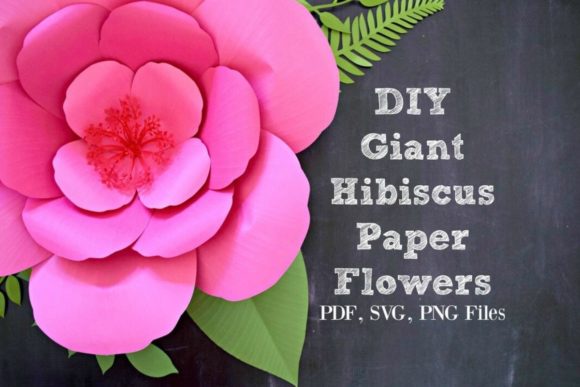
Hibiscus Giant Paper Flower Templates: 3D SVG Review
As a brand designer constantly scouting for versatile assets, my first impression of the Hibiscus Giant Paper Flower Templates was one of immediate tactile warmth. In a digital landscape often saturated with flat vector art and sterile minimalism, this asset introduces a necessary layer of organic texture and dimensional depth. The mood is undeniably celebratory yet sophisticated, striking a balance between playful creativity and professional craftsmanship. For marketers and content creators, this specific graphic design asset signals a handmade, bespoke quality that can elevate audience perception instantly. It does not feel like generic clipart; rather, it possesses the structural integrity of a premium digital product suitable for lifestyle branding, event marketing, and artisanal business identities.
Elevating Product Launches with Dimensional Visuals
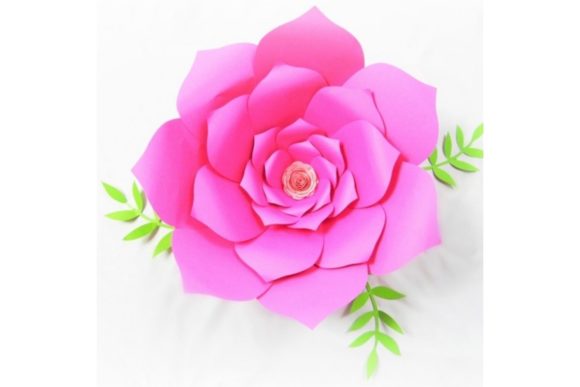
I recently integrated these templates into a campaign strategy for a boutique skincare line launching a tropical-inspired summer collection. The challenge was creating marketing visuals that felt lush and immersive without relying on expensive photography or chaotic stock images. The Hibiscus Giant Paper Flower Templates served as the perfect anchor for our visual hierarchy. Because the files are provided in both SVG and PDF formats, we utilized the 3D SVG capabilities to create scalable hero graphics for the website header while using the PDF versions as precise cutting guides for physical store displays.
This dual-format utility is crucial for small business branding. We used the large hibiscus signature style giant paper flower templates to build a cohesive narrative across touchpoints. On Instagram, the flowers acted as soft framing devices for product shots, guiding the viewer’s eye toward the center without obscuring the merchandise. For Pinterest pins, the vertical orientation of the assembled flowers created natural negative space for bold typography. This application demonstrates how creative design can bridge the gap between digital engagement and physical retail experiences, reinforcing brand identity through consistent, recognizable motifs.
Strategic Applications Across Marketing Channels
The versatility of this design bundle extends far beyond simple decoration. When evaluating design assets for commercial use, I look for elements that solve communication problems. Here is how these paper flowers perform in real-world scenarios:
- Social Media Graphics: The intricate petal details add high-value texture to Canva templates, making static posts feel dynamic and increasing dwell time.
- Packaging Design: Used as a subtle watermark or embossed element on product labels, the hibiscus shape reinforces the unboxing experience and adds perceived value.
- Editorial Design: In blog headers and email banners, the flowers break up text-heavy layouts, improving readability and maintaining audience interest.
- Event Promotion: For workshops or pop-up shops, these templates allow brands to create their own photo backdrops, ensuring user-generated content remains on-brand.
- Digital Ads: The distinct silhouette performs well in Facebook ads, where unique shapes stop the scroll more effectively than standard rectangular imagery.
By leveraging these applications, content marketers can achieve stronger recognition and emotional connection. The organic curves of the hibiscus naturally soften sales messaging, making promotional content feel more inviting and less aggressive.
Optimizing Visual Hierarchy and Audience Trust
Professional branding relies on clarity. A common mistake with floral assets is allowing them to overwhelm the message. However, the Hibiscus Giant Paper Flower Templates are structured with clean lines that support, rather than compete with, core content. When used correctly, they establish a clear visual hierarchy. The size and placement of the flower should always defer to the headline or call-to-action. In our skincare campaign, we positioned the blooms in the corners and edges, creating a "window" effect that framed the value proposition.
This strategic restraint builds audience trust. When marketing visuals look cluttered or amateurish, consumers subconsciously question the quality of the product. Conversely, when paper flowers are rendered with precision and balanced against ample whitespace, the result is a polished, modern design aesthetic. This is particularly important for online coaches and creative entrepreneurs who sell intangible services; the tangible representation of the flower grounds their offer in reality. Furthermore, because these are easy paper flower templates, they empower non-designers to maintain visual consistency across DIY projects, ensuring that every piece of content aligns with the broader brand identity.
Navigating Limitations and Contextual Fit
While this asset is powerful, it requires contextual awareness. As a reviewer, I must highlight where caution is needed to preserve professional branding standards:
- Formal Corporate Environments: The whimsical nature of paper flowers may clash with conservative industries like finance or law unless heavily stylized or muted.
- Dense Information Layouts: Avoid placing detailed petals directly behind small body text. The complexity reduces legibility and frustrates mobile users.
- Low-Contrast Backgrounds: Ensure sufficient contrast between the flower color and the background. Pastel-on-pastel combinations often fail accessibility tests.
- Minimalist Brands: If your brand relies on stark geometry, introduce this organic element gradually to avoid visual dissonance.
Understanding these boundaries ensures the asset enhances rather than detracts from your commercial design goals. It is about intentionality, not just decoration.
Designer Notes: Testing and Technical Integration
Before deploying any printable design or digital asset in a paid campaign, rigorous testing is non-negotiable. Here are my practical notes for integrating the Hibiscus Giant Paper Flower Templates effectively:
Color Palette Validation: Do not assume the default colors match your brand. Test the SVG within your specific color system. I recommend creating three variations: full brand color, monochrome black for elegance, and white for overlay usage. Check how these interact with your existing serif and sans-serif font pairings. Script fonts tend to harmonize well with the floral curves, while bold display fonts provide necessary modern contrast.
Mobile Previewing: Always preview social media graphics and web headers on a phone screen. Intricate details that look beautiful on a desktop monitor can turn into visual noise at thumbnail size. Simplify the petal layers if necessary for smaller applications.
Licensing Compliance: Before using this in client work or selling products featuring the design, confirm the commercial license terms. Understanding whether you can use the raw SVG in a logo design versus a flattened PNG in a social media post protects your business legally. This distinction is vital for digital sellers and publishers operating in competitive creative marketplaces.
Mockup Reality Check: Never judge the asset in isolation. Place it inside real campaign mockups—tote bags, mugs, website screens, and printed flyers. Seeing the hibiscus in context reveals scaling issues and balance problems that raw file inspection misses. Compare it against competitor visuals to ensure your usage feels fresh and distinct.
Ultimately, the Hibiscus Giant Paper Flower Templates represent a high-value addition to any content creator's toolkit. They offer a rare combination of artistic charm and functional scalability. Whether you are designing packaging inserts, refreshing Pinterest boards, or building a comprehensive content kit, this asset provides the structural beauty needed to attract attention professionally. By treating it as a strategic component of your visual language rather than mere embellishment, you unlock its full potential to drive engagement and strengthen brand recall in a crowded digital marketplace.