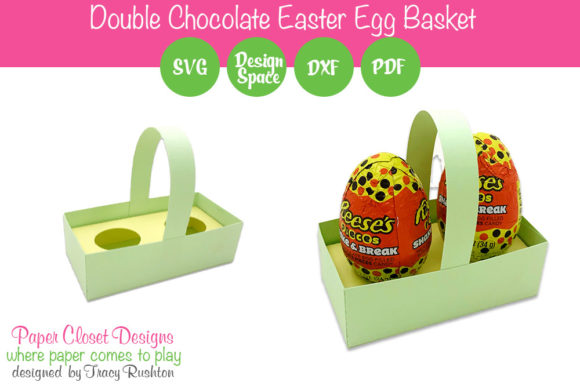
Double Chocolate Easter Egg Basket Design Review
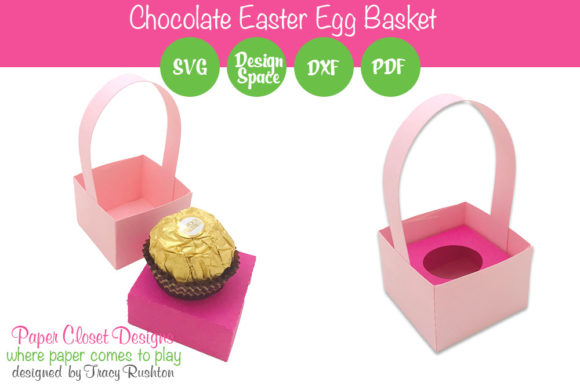
When evaluating a new machine embroidery design for my seasonal lineup, I look beyond the digital preview. As a designer and product reviewer, my primary concern is always how the file translates from screen to fabric. The Double Chocolate Easter Egg Basket initially caught my eye because of its versatile concept. While the source material is categorized as a 3D SVG shape intended for paper crafting or digital cutting machines, adapting this aesthetic for needlework requires a critical eye. For Etsy sellers, craft business owners, and hobbyists looking to create tangible goods, understanding the transition from a vector shape to a stitched reality is essential for producing a high-quality finished product.
Translating Vector Shapes to Stitched Reality
The first impression of the Double Chocolate Easter Egg Basket is one of playful abundance. Visually, it suggests a generous container ready to be filled with treats. However, when approaching this as an embroidery project, we must acknowledge that a 3D SVG is not inherently an embroidery file. If you are working from this asset type, you are likely digitizing it yourself or using it as a template for an applique design. This distinction matters immensely. A vector shape has infinite resolution; thread does not.
In my studio, I assess designs based on their "stitchability." The basket weave texture implied in the title needs to be rendered through specific stitch types. A simple fill stitch might look flat and digital, whereas a textured tatami or a specialized weave pattern would honor the original 3D intent. Furthermore, the "double chocolate" element implies color blocking. In embroidery, this means managing thread colors carefully to distinguish between milk and dark chocolate tones without creating excessive jump stitches. The mood should remain festive and appetizing, not muddy or over-dense. For digital product sellers offering this as a downloadable asset, providing clear guidance on whether this is a pre-digitized file or a tracing template is crucial for customer satisfaction.
Real-World Application: The Custom Tote Bag Test
To truly judge the viability of the Double Chocolate Easter Egg Basket, I applied it to a real-life scenario: creating a custom canvas tote bag for a local spring market. Tote bags are a staple handmade product, but they present unique challenges due to fabric weight and grain. I wanted to see if this design could serve as a centerpiece for a personalized gift basket or a standalone retail item.
During the test run, I found that the basket’s proportions worked beautifully as a tote bag design. The wide base of the basket provided stability on the fabric, preventing the distortion that often plagues tall, narrow motifs. I opted to use the design as an appliqué outline rather than a full-stitch fill to keep the bag lightweight and flexible. This approach allowed the natural canvas texture to show through, adding an organic feel that resonates with buyers seeking authentic small shop products. The "fill with two eggs" concept translated well here; I left the top of the basket open in the stitching, allowing customers to physically tuck a real candy bar or gift card into the pocket formed by the appliqué. This interactive element elevated the perceived value of the item significantly.
For commercial embroidery purposes, this adaptability is gold. It transforms a static image into a functional feature. However, I did have to adjust the stitch density on the handle attachment points. Canvas can be unforgiving, and too many needle penetrations in a small area created perforation lines. This reinforces why testing is non-negotiable before listing any custom apparel or accessory for sale.
Navigating Fabric Limitations and Technical Constraints
While the Double Chocolate Easter Egg Basket shines on stable substrates like canvas or denim, it demands caution elsewhere. As a reviewer, I must highlight where this design might fail if technical parameters are ignored. The complexity of a basket weave combined with detailed egg shapes creates variable density zones.
- Stretchy Fabrics: On knits or jersey used for sweatshirt embroidery or baby embroidery, the rigid structure of a basket can cause puckering. You must use a heavy-duty cutaway stabilizer and potentially a topping to prevent stitches from sinking into the pile. Without this, the crisp edges of the SVG shape will become wavy and unprofessional.
- Curved Surfaces: Attempting this on a cap is risky. The horizontal span of a basket usually exceeds the safe stitch area of a standard curved frame. Distortion at the edges is almost guaranteed unless you significantly reduce the size or modify the aspect ratio.
- Dark Fabrics: Chocolate tones on black or navy fabric disappear. Contrast is key for visual appeal. If stitching on dark backgrounds, consider adding a light running stitch outline or a cream-colored border to define the basket against the garment. This ensures the design remains recognizable and maintains brand consistency.
- Small Hoop Sizes: Detail loss is inevitable when shrinking complex shapes. If your hoop size restricts you to under three inches, simplify the weave pattern. Tiny satin stitches on miniature eggs will fray and lose definition after washing.
Commercial Value and Professional Presentation
For creative entrepreneurs and makers, the Double Chocolate Easter Egg Basket offers strong commercial potential, provided it is executed with precision. Customers associate stitch quality with product value. A clean, well-registered design builds trust; a gapped or puckered one erodes it. When photographing your work for printable mockups or social media, ensure the lighting highlights the texture of the thread. The interplay of light on satin versus matte threads tells the story of craftsmanship better than any caption.
This design also serves as an excellent vehicle for bundling. As noted in the product description, it is ideal for gifts for coworkers, neighbors, or friends. In a business context, this means you aren't just selling an embroidered item; you are selling a gifting solution. Pairing an embroidered tea towel featuring this basket with actual confections creates a higher price point and a more memorable customer experience. For Etsy sellers, listing photos should demonstrate scale. Show the basket next to a standard Cadbury egg or a ruler so buyers understand the actual size of the embroidered patch or motif. Ambiguity leads to returns.
Essential Pre-Stitch Checklist for Makers
Before you commit this design to a final sellable product, run through this practical checklist. These steps separate professional results from amateur attempts:
- Verify File Compatibility: Confirm whether you have a true digital embroidery file or a vector graphic requiring digitization. Never assume a 3D SVG is stitch-ready without conversion.
- Test on Scrap Material: Always stitch out on the exact fabric and stabilizer combination you intend to use for the final piece. Check for registration errors between the basket body and the rim.
- Audit Stitch Density: Use your machine software to check for areas exceeding 0.4mm density. Thin these out to prevent bulletproof stiffness, especially on holiday embroidery items meant for wear.
- Check Licensing: If you purchased this as a design asset, review the terms. Can you sell finished physical items? Can you include the digitized file in a bundle? Respecting intellectual property protects your business reputation.
- Evaluate Washability: If making kitchen towels or baby bibs, wash the test sample. Chocolate-colored threads can sometimes bleed, and dense basket weaves can trap lint. Ensure the finished product survives real-world care.
The Double Chocolate Easter Egg Basket is a charming, versatile concept that bridges the gap between digital art and tactile craft. Whether you are creating custom apparel for a boutique or assembling heartfelt gifts for neighbors, success lies in respecting the medium. By treating the design not just as a picture, but as a structural assembly of thread and tension, you ensure your creations are as delightful in hand as they are on screen. Take the time to test, refine, and validate your process, and this basket will undoubtedly become a springtime staple in your collection of design assets.