3D Clematis Blossom Card: An Embroidery Review
As a designer who constantly bridges the gap between digital assets and tangible textiles, I approach every new file with a specific question: will this actually work when thread hits fabric? The 3D Clematis Blossom Card is marketed primarily as a 5x5” greetings card SVG cut file for papercraft, but its intricate floral geometry caught my eye for a completely different application. In my studio, we often look beyond the intended use of Shapes and 3D SVG files to find unique motifs for embroidery. After evaluating this design through the lens of textile production, I see significant potential for makers willing to adapt a papercut aesthetic into a stitched reality.
Translating Papercut Layers to Stitched Texture
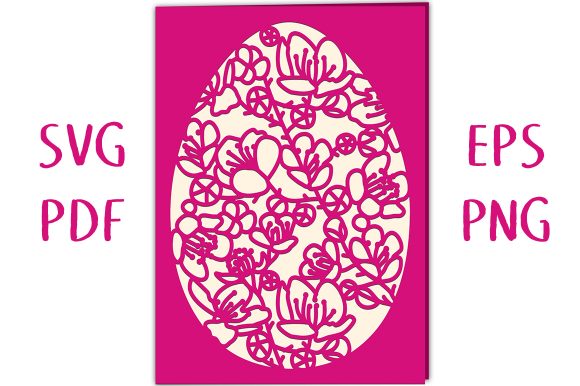
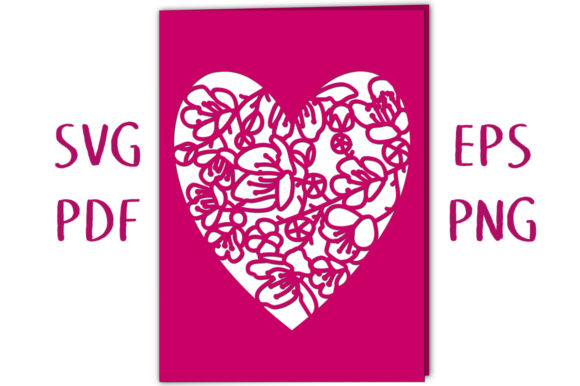
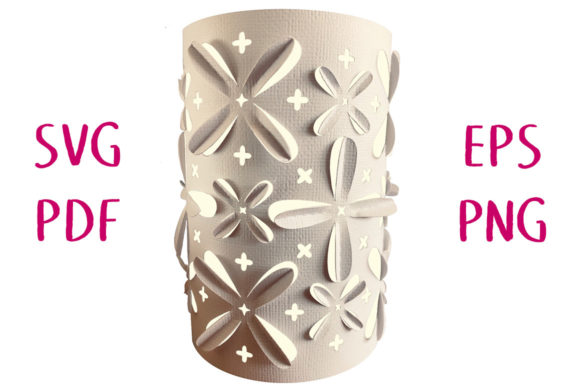
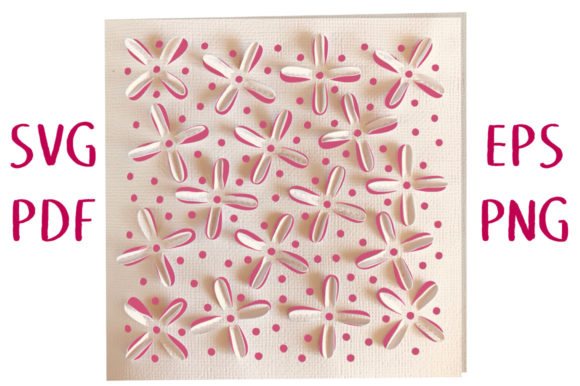
The first impression of the 3D Clematis Blossom Card is one of delicate complexity. As a papercut template, it relies on negative space and stacked layers to create depth. When reviewing this as a potential machine embroidery design, that same layering translates beautifully into dimensional stitching. The clematis flower naturally lends itself to a multi-layered approach where petals can be rendered in varying thread colors to mimic the shadow and depth of paper.
For an embroidery project, this design suggests a move away from flat, dense fills. Instead, it invites the use of raised satin stitches or padded appliqué techniques to replicate the "3D" promise of the original file. The visual personality is romantic yet structured, making it feel less like a generic clip-art flower and more like a bespoke botanical illustration. For an Etsy seller or boutique owner, this distinction matters. Customers are drawn to items that feel curated and artistic rather than mass-produced. The clean lines of this clematis shape provide a sophisticated foundation that avoids the cluttered look common in overly digitized floral patterns.
Real-World Application: The Linen Tea Towel Test
To truly judge the viability of the 3D Clematis Blossom Card for commercial or gift use, I mentally prototyped it for a high-demand item in my shop: a premium linen tea towel. Kitchen textiles are a staple for any craft business, but they require designs that balance beauty with durability.
In this scenario, I envisioned adapting the 5x5” dimensions to fit within a standard 4x4” hoop size for wider machine compatibility. The goal was a personalized gift set for a wedding registry. The clematis motif offers enough detail to look expensive without being so dense that it distorts the lightweight linen. I considered using a tone-on-tone cream thread for the petals against natural linen, utilizing a running stitch outline to define the edges instead of a heavy border. This preserves the airy, papercut feel while ensuring the finished product remains soft and absorbent.
For custom apparel, such as a sweatshirt or tote bag, the design’s bold silhouette holds up well at larger sizes. However, because this originates as a vector cut file, the conversion process requires careful attention. You cannot simply auto-digitize a papercut SVG and expect professional results. The sharp corners and thin connecting points of the clematis petals must be manually adjusted to prevent thread breaks or fraying. When executed correctly, however, the result is a stunning tote bag design that looks like hand-painted art rather than standard embroidery.
Navigating Fabric Limitations and Stabilizer Needs
While the 3D Clematis Blossom Card is versatile, it demands respect for fabric physics. The intricate petal separations that make it beautiful in paper can become structural weaknesses in thread if placed on unstable grounds.
- Stretchy Fabrics: Avoid using this design on jersey knits or performance wear unless you are creating an embroidered patch separately. The detailed floral spans require stability; stretching during wear will cause the precise alignment of the 3D effect to collapse.
- Textured Surfaces: On terry cloth or fleece, the fine details of the clematis may get lost. If pursuing baby embroidery on blankets, consider simplifying the inner details or using a heavier weight thread to ensure the motif reads clearly against the pile.
- Dark Fabrics: High contrast is key. A light-colored clematis on navy canvas pops beautifully, but ensure your stitch density is sufficient to prevent the dark background from showing through lighter threads. Conversely, dark thread on white fabric requires a solid underlay to prevent graying.
- Curved Items: Caps and curved bags present challenges for a 5x5” centered floral design. The distortion inherent in cap hoops may warp the symmetrical balance of the blossom. Test on a flat surface first or resize specifically for cap frames.
Proper stabilizer selection is non-negotiable here. Because the design likely involves multiple color changes and layered elements to achieve the 3D look, a cut-away stabilizer is generally safer than tear-away for maintaining registration. For sheer fabrics or delicate linens, a water-soluble topping helps keep stitches from sinking into the weave, preserving the crisp definition of the petals.
Commercial Value and Professional Presentation
For creative entrepreneurs, the value of the 3D Clematis Blossom Card extends beyond the stitch-out. It serves as a powerful asset for branding and marketing. The elegant shape works exceptionally well in printable mockups and digital previews. Before committing thread to fabric, I recommend testing the design in black and white vector format to check visual balance. If the silhouette reads clearly without color, it will translate successfully to embroidery.
This design also supports brand consistency. A florist, wedding planner, or garden center could adopt this specific clematis style as a signature motif across their merchandise. Using the same adapted digital embroidery file on aprons, gift tags, and staff uniforms creates a cohesive visual identity that builds customer trust. The sophistication of the shape signals professionalism, distinguishing your small shop product from competitors using generic stock art.
However, a critical note for sellers: always verify licensing. While the product description mentions suitability for cutting machines, confirm whether the license covers derivative commercial embroidery products. Ethical business practices protect both the original designer and your own reputation. Additionally, never sell the digitized embroidery file itself unless explicitly permitted; sell only the physical handmade product or approved digital variations.
Designer Notes for Successful Adaptation
If you decide to bring the 3D Clematis Blossom Card into your embroidery workflow, treat the adaptation phase as part of the design process. Start by testing on scrap fabric that matches your final project's weight and texture. Check thread tension specifically at the petal tips, as these points often suffer from pull compensation issues when converting from vector to stitch.
Review the applique design potential carefully. The papercut nature of the source file makes it an ideal candidate for raw-edge or turned-edge appliqué, which reduces stitch count and adds genuine texture. This is particularly valuable for holiday embroidery or large-scale items where dense fill stitches would be too stiff. Finally, document your thread colors and stabilizer choices. Creating a tech pack for this design ensures that whether you are making a single personalized gift or a run of fifty retail units, the quality remains consistent and the 3D illusion stays intact.