Heart Bow Template: A Designer’s Practical Review
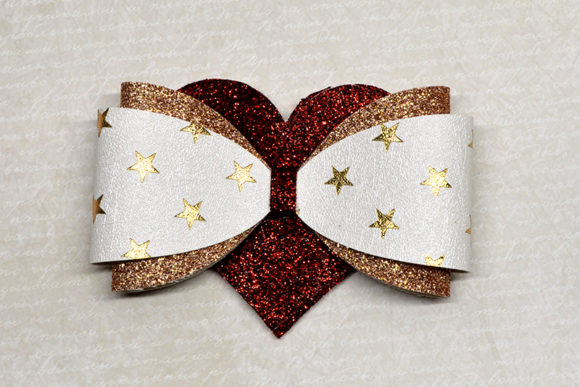
When evaluating a new machine embroidery design for commercial or personal use, I look beyond the digital preview. As a designer who regularly creates custom apparel and accessories for small business clients, I need to know how a file translates from screen to fabric. The Heart Bow Template initially caught my attention because of its versatility. While marketed as a 3D SVG for cutting machines using materials like faux leather, glitter vinyl, felt, and laminated fabric, its potential as an applique design foundation is significant for embroiderers. My review focuses on how this shape performs when adapted for needle and thread, specifically for makers running an Etsy shop or producing handmade goods.
First Impressions and Visual Personality
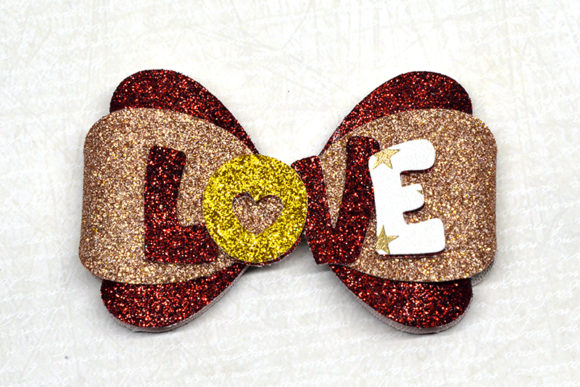
The Heart Bow Template carries a distinct mood that balances sweetness with modern craftsmanship. It avoids looking overly juvenile, which is crucial for custom apparel targeting teens and adults, not just toddlers. The silhouette is clean, suggesting it will digitize well without excessive complexity. When I assess shapes in the "Shapes" category, I am looking for lines that flow naturally under a satin stitch border. This template appears to have smooth curves rather than jagged angles, which reduces the risk of puckering during stitching.
For a craft business, visual consistency is key. This bow shape feels professional enough for boutique branding yet playful enough for holiday embroidery projects. It reads clearly as a heart-bow hybrid, making it instantly recognizable even at smaller sizes. This clarity is vital for finished product photography and printable mockups, where customers need to understand the design immediately before purchasing.
Real-World Application: Customizing a Toddler Sweatshirt
To truly test this concept, I approached the Heart Bow Template as if I were fulfilling a specific client order: a personalized sweatshirt for a toddler’s birthday party. The goal was to create a sweatshirt embroidery piece that looked high-end but could withstand active play and frequent washing.
I treated the template as a guide for a multi-fabric applique project. Using the SVG lines, I cut glitter vinyl for the main bow body and soft felt for the center knot. Translating this into an embroidery file required careful planning. I used a running stitch placement line for the vinyl, followed by a tack-down stitch, and finished with a narrow satin stitch border to secure the edges. The result was a textured, dimensional look that mimicked the intended 3D effect of the original digital asset.
This real-life scenario highlighted the template's strength in mixed-media projects. For Etsy sellers, offering this style of mixed-material embellishment adds perceived value. Customers often associate glitter vinyl and precise stitching with premium pricing. However, it also revealed challenges; aligning the pre-cut vinyl pieces perfectly within the hoop requires patience and proper stabilization. If you are adapting this for pure thread embroidery without vinyl, the shape still holds up beautifully as a fill stitch design, though the texture will be flatter.
Navigating Fabric Choices and Technical Constraints
Not every surface is suitable for the Heart Bow Template. Through testing, I have identified specific scenarios where caution is necessary:
- Stretchy Fabrics: On ribbed knits or spandex blends, the density of a satin stitch border can cause tunneling. Always use a fusible cutaway stabilizer and consider a light spray adhesive to keep the fabric taut.
- Textured Surfaces: If applying this to terry cloth towels or fleece blankets, the bow details can get lost. You may need to increase the width of the satin stitch border or add a background fill stitch to create contrast against the pile.
- Small Hoop Sizes: Scaling down this template for baby onesies or sleeve cuffs requires checking the smallest internal corners. Intricate heart points can become thread nests if reduced below 2 inches wide. Test on scrap fabric first.
- Dark Fabrics: Glitter vinyl and bright threads pop on dark backgrounds, but ensure your underlay is sufficient to prevent the dark fabric color from bleeding through lighter thread areas.
For commercial embroidery production, speed matters. If you are mass-producing items, verify that the stitch count remains reasonable. Complex applique layers add time. Ensure your pricing model accounts for the extra hooping and material costs associated with creating this 3D-style effect.
Impact on Product Value and Customer Trust
Using a well-proportioned template like this directly influences buyer engagement. In the saturated market of personalized gifts, sloppy digitizing or poor shape definition signals low quality. The Heart Bow Template provides a reliable geometric base that looks intentional and polished.
When customers see crisp edges and balanced proportions on a tote bag design or embroidered patch, trust increases. They perceive the item as professionally made rather than hastily assembled. For digital product sellers offering this as part of a bundle, emphasizing its adaptability for both cutting and embroidery expands your target audience. Makers appreciate assets that cross over between crafting disciplines, maximizing their investment in design assets.
Essential Notes for Embroidery Professionals
Before adding this to your production lineup, adhere to these practical guidelines to ensure success:
- Verify Licensing: Since this is originally described as a cutting file, confirm whether the creator permits modification into an embroidery format for commercial sale. Never assume rights transfer between mediums.
- Test Stitch Density: Glitter vinyl is thicker than standard cotton. Adjust your presser foot height and needle size (a sharp or titanium needle is recommended) to prevent skipped stitches or broken needles.
- Mockup Realistically: Do not rely solely on software renderings. Create physical samples on the actual fabrics you intend to sell. Photograph these samples in natural light to show true texture and scale.
- Check Thread Contrast: Run a black-and-white test stitch-out. If the design relies entirely on color contrast rather than structural stitching, it may fail on monochromatic garments.
- Stabilizer Selection: Match your stabilizer to the end-use. Wash-away toppers are essential for fleece; tear-away works for stable woven cottons; cutaway is mandatory for knits and permanent wearables.
Final Verdict for Makers and Sellers
The Heart Bow Template is a robust starting point for creative entrepreneurs. Its clean geometry makes it forgiving for intermediate digitizers while offering enough charm for seasoned professionals. Whether you are creating baby embroidery keepsakes, festive holiday gifts, or everyday small shop products, this shape adapts well to various contexts.
Success lies in respecting the technical requirements of translating a vector shape into stitched reality. By testing thoroughly, choosing appropriate materials, and maintaining high construction standards, you can turn this simple template into a best-selling staple in your collection. Remember, the best embroidery project outcomes come from understanding both the artistic vision and the mechanical limitations of your machine. Use this template as a canvas, but let your craftsmanship define the final result.