Stegosaurus Lollipop Holder SVG Review
As a designer who spends more time behind an embroidery machine than a computer screen, I approach every new digital asset with a healthy dose of skepticism. When I first opened the Stegosaurus -Lollipop Holder SVG, I wasn't just looking at cute vector lines; I was mentally translating them into thread paths, stabilizer requirements, and final product viability. This file is marketed as a digital cutting file for machines, but for those of us in the machine embroidery design space, it represents a unique hybrid opportunity. It is categorized under Shapes and listed as a 3D SVG, which immediately tells me this isn't a flat graphic. It has structural intent. My first impression was that this design possesses a playful, dimensional personality that screams "interactive gift," but as any experienced Etsy seller or craft business owner knows, cuteness doesn't always equal stitchability.
Translating Vector Layers to Stitch Reality
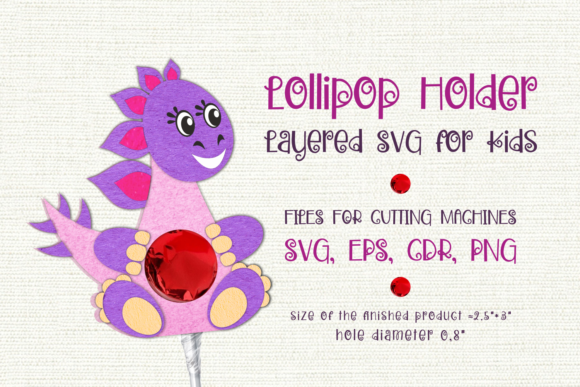
The package includes CDR, EPS, SVG, and PNG formats. While these are native cutting formats, they serve as excellent blueprints for creating a custom applique design or a mixed-media embroidery project. Because this is a multi-layer design intended for 3D assembly, you cannot simply load it and hit start. You have to think like an engineer. The Stegosaurus plates and the lollipop holder mechanism require precise alignment. In my review process, I visualized converting the outer shapes into satin stitch borders and the inner body sections into fill stitch areas. The challenge here is maintaining the structural integrity required for a functional holder while keeping the stitch density low enough to prevent fabric distortion.
For fellow apparel decorators and makers, the separation of layers in the source files is a massive advantage. It allows you to assign specific thread colors to different anatomical parts of the dinosaur without guessing. However, because this is originally a cutting file, you must verify your digitizing software can interpret the vectors correctly before committing to a full run. Always confirm licensing terms if you plan to sell the finished handmade product or the digitized digital embroidery file itself, as usage rights for cutting files sometimes differ from dedicated embroidery assets.
Real-World Application: The Birthday Party Favor Test
To truly evaluate this design, I imagined a specific real-life scenario: creating personalized party favors for a dinosaur-themed third birthday. A flat embroidered patch is nice, but a functional Stegosaurus -Lollipop Holder SVG based treat holder creates an experience. I pictured stitching this onto a sturdy felt or canvas base to create a standalone favor, or perhaps integrating it into a tote bag design where the dino acts as a functional pocket element.
In this context, the design’s value skyrockets. Parents aren't just buying a personalized gift; they are buying a photo opportunity. For small shop product lines, this moves beyond generic baby embroidery into interactive merchandise. However, functionality demands durability. If I were producing these for a client, I would reinforce the lollipop insertion point with extra running stitch anchoring and potentially a layer of heavyweight stabilizer or interfacing. The 3D nature of the SVG suggests depth, so using foam underlay or layered fabric appliqué would be necessary to achieve that tactile pop that makes customers trust your craftsmanship. A flat interpretation would fail to capture the whimsy promised by the file name.
Fabric Selection and Technical Constraints
Not every textile can handle a 3D-style embroidery file. Through years of trial and error, I’ve learned that stretchy knits and lightweight cottons are often poor candidates for structural designs like this. The tension required to hold a lollipop will warp a thin t-shirt instantly. This design performs best on stable substrates. Think canvas custom apparel, denim aprons, or stiff craft felt for standalone ornaments.
You must also consider the hoop size. A functional holder needs adequate scale. Shrinking this down to fit a 4x4 hoop might compromise the slot width needed for standard lollipops. Before listing any commercial embroidery items, test the physical dimensions. Furthermore, textured fabrics like terry cloth or minky can swallow the fine details of the Stegosaurus spikes. If you are working with high-pile fabrics for nursery decor or blankets, use a water-soluble topper to keep the stitches visible. Dark fabrics present another hurdle; ensure your thread colors have enough contrast against the background, or the 3D effect will get lost in shadow. Always test on scrap fabric first to check registration between the layers, especially if you are combining cutting and stitching processes.
Commercial Viability and Presentation Strategy
For creative entrepreneurs and digital product sellers, presentation is everything. Since this is a specialized item, your printable mockup needs to show the design in action. Don't just display a flat image of the SVG. Photograph a finished sample holding an actual lollipop. This proves to buyers that the design works as intended. Visual clarity builds buyer engagement and reduces customer service questions about sizing and function.
When marketing this as part of a holiday embroidery collection or a boutique brand lineup, emphasize the "maker" aspect. Explain that the multi-layer construction ensures durability. Professionalism comes from transparency. If the design requires advanced assembly due to its 3D SVG origins, state that clearly in your product description. This filters out beginners who might leave negative reviews due to user error and attracts serious makers looking for quality design assets. Whether you are selling the physical finished product at craft fairs or the digitized version online, highlighting the practical testing you’ve done adds immense perceived value.
Essential Pre-Stitch Checklist for Makers
Before you commit this Stegosaurus -Lollipop Holder SVG to your production queue, run through this practical checklist derived from professional studio workflows:
- Verify Compatibility: Ensure your software can import CDR/EPS/SVG files and convert them to stitch formats without losing layer separation.
- Test Structural Integrity: Stitch a sample on your intended fabric with the chosen stabilizer and physically test the lollipop fit and weight-bearing capacity.
- Audit Stitch Density: Check that fill areas aren't too dense for the fabric type, preventing puckering or needle breaks during the 3D assembly phase.
- Contrast Check: View your thread palette in black and white mode to ensure the Stegosaurus details remain distinct on both light and dark backgrounds.
- License Confirmation: Double-check if the original digital file permits commercial sale of finished embroidered goods versus digital redistribution.
- Mockup Validation: Create photos showing the item being used, not just lying flat, to accurately represent the 3D aspect to potential customers.
Ultimately, the Stegosaurus -Lollipop Holder SVG is a fantastic concept with strong potential for small business merchandise and memorable gifts. It bridges the gap between digital crafting and tangible utility. By approaching it with a critical eye toward embroidery physics rather than just vector aesthetics, you can transform this multi-layer file into a standout product that delights clients and showcases your technical expertise. Just remember: in the world of functional embroidery, testing isn't optional—it's the foundation of a reputable brand.