Gnome Valentine Lolly Holder: A Designer’s Review
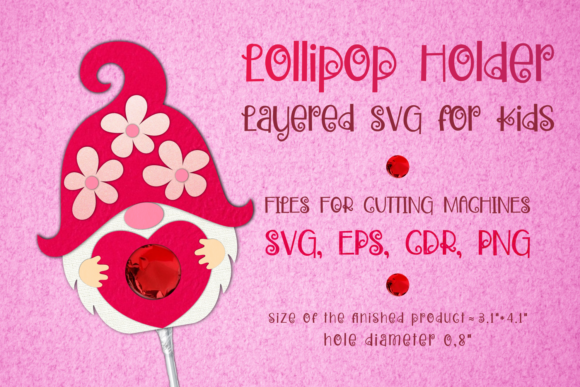
As a professional embroidery digitizer and product reviewer, I approach every new file with a critical eye. When evaluating the Gnome and Valentine s Heart Lolly Holder, my first thought isn't just about how cute it looks on screen, but how it will actually perform under the needle. This design sits in an interesting intersection between digital cutting files and textile art. While marketed as a 3D SVG for cutting machines, its potential as a layered applique or mixed-media embroidery project is significant for makers who want to bridge the gap between vinyl crafting and needlework.
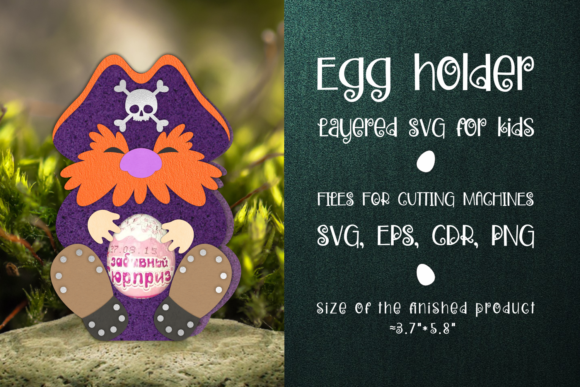
The visual personality of this gnome is undeniably whimsical yet structured. The heart shape provides a natural frame that contains the character, making it an excellent candidate for centered placements on garments or accessories. For an embroidery designer, the "lolly holder" aspect suggests a functional element—a pocket or a 3D pouch—which elevates it from a flat decoration to an interactive feature. This functionality is exactly what drives sales for Etsy sellers and small shop owners looking to offer unique, personalized gifts rather than generic holiday decor.
Real-World Application: The Custom Sweatshirt Test
To truly judge this asset, I mentally placed it in a real-life production scenario. Imagine preparing a custom embroidered sweatshirt for a boutique Valentine’s Day drop. The goal is to create a handmade product that feels premium, not like a mass-produced sticker. Using the Gnome and Valentine s Heart Lolly Holder as the centerpiece, I envision converting the outer heart shape into a satin stitch border while using the internal gnome elements as fill stitch appliques.
In this context, the multi-layer nature of the original SVG is a massive advantage. It allows us to separate colors and shapes logically before digitizing. For a sweatshirt embroidery project, this separation means we can use different fabric textures for the gnome’s hat versus his beard, adding tactile depth that standard thread alone cannot achieve. Customers react positively to this level of detail; it signals craftsmanship. However, because this is originally a Shapes category file intended for cutting machines, you must verify the line weights. Cutting lines are often too thin for satin stitches, so redrawing or adjusting the stitch width is necessary to prevent tunneling on fleece or French terry fabrics.
Navigating Fabric Challenges and Hoop Limitations
While the design is charming, practical application requires caution regarding fabric choice and stabilization. The intricate details typical of gnome designs—specifically the beard texture and facial features—can get lost on highly textured fabrics like minky or boucle. If you are creating baby embroidery items or nursery decor, smooth cotton or quilting fabric is safer to ensure stitching clarity. For apparel decorators working with stretchy knits, the density of the lolly holder pocket area could cause puckering if not properly stabilized.
I strongly advise testing this design on scrap fabric before committing to a finished product. The "holder" component implies structure. If you are attempting to make this functional as a 3D pocket on a tote bag design or apron, you need to consider the weight of the candy or item being held. A standard embroidery file might not have enough anchor points to support physical weight. You may need to add additional running stitch reinforcement or interface the fabric layers heavily. Furthermore, check your hoop size carefully. Multi-layer 3D designs often require more margin for alignment marks and basting boxes than flat embroidery projects. Running out of space mid-stitch is a costly error for any craft business.
Elevating Product Value Through Technical Precision
For commercial embroidery professionals and digital product sellers, the value of the Gnome and Valentine s Heart Lolly Holder lies in its versatility. It works beautifully as a standalone holiday embroidery motif, but it also serves as a strong branding element for seasonal collections. When presenting this to clients or listing it online, the presentation matters as much as the stitch-out. Use printable mockups to show how the design scales on different items, from caps to pillow covers.
However, visual appeal relies on technical execution. Thread colors should be selected to enhance the 3D effect. High contrast between the heart background and the gnome ensures the design reads well from a distance, which is crucial for market stalls and social media photography. If selling the finished personalized gift, consistency in placement builds brand recognition. If selling the digital embroidery file itself, include clear notes on recommended stabilizers and fabric types. Buyer engagement increases when customers feel confident they can replicate your results. Always confirm licensing terms before selling derivatives; since this is a digital download, ensure you have the appropriate rights for commercial embroidery use versus personal crafting.
Designer Notes for Successful Execution
Before loading this design into your machine, run through this practical checklist to ensure professional results:
- Verify File Compatibility: Since the source is an SVG for cutting machines, ensure you have successfully converted or digitized it into a proper machine embroidery design format (PES, DST, JEF, etc.) compatible with your specific equipment.
- Assess Stitch Density: Check that the fill stitch areas aren't too dense for lightweight fabrics or too sparse for heavy canvas. Adjust pull compensation to account for fabric shrinkage during stitching.
- Test Color Contrast: View the design in black and white on your computer screen. If the gnome disappears into the heart without color, your stitch definition needs improvement. Relying solely on thread color differences is risky for customers with varying monitor calibrations.
- Stabilizer Selection: For the 3D lolly holder element, use a tear-away or cut-away stabilizer that matches the weight of your base fabric. Consider using a water-soluble topping if stitching on high-pile fabrics to keep the satin stitches crisp.
- Detail Inspection: Zoom in to 400% to check for tiny jumps or overlapping stitches that could cause thread breaks. Small lettering or facial details often need simplification when transitioning from vector art to thread.
- Mockup Validation: Create both light and dark fabric mockups. Some designs rely on the fabric showing through as part of the art; ensure this intentionality translates clearly to the buyer or client.
- Licensing Confirmation: Double-check the specific usage rights included with the digital download. Confirm whether you can sell the physical embroidered patch, the finished garment, or the digitized file itself.
The Gnome and Valentine s Heart Lolly Holder offers a delightful foundation for creative entrepreneurs. By treating it not just as a cute graphic but as a structural component of a larger textile project, you unlock its true potential. Whether you are stitching a custom apparel piece for a local market or designing a new digital asset for your shop, success comes from respecting the mechanics of embroidery. Take the time to test, adjust, and refine. Your customers will appreciate the difference between a quick conversion and a thoughtfully executed handmade product.