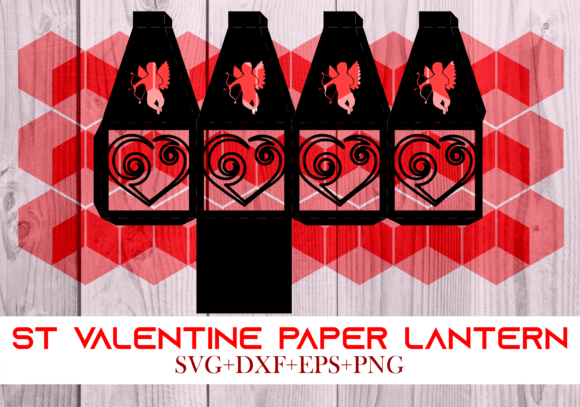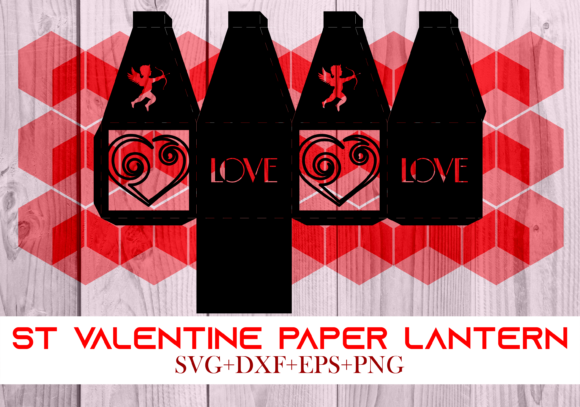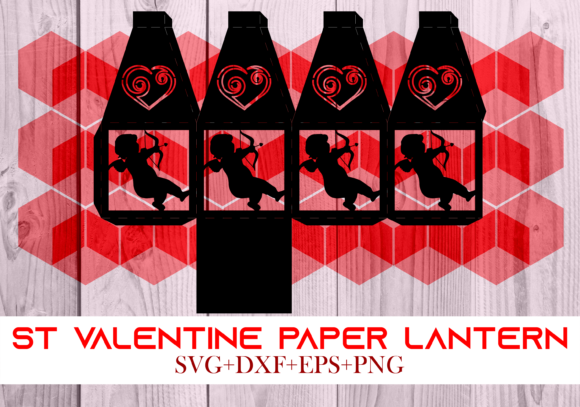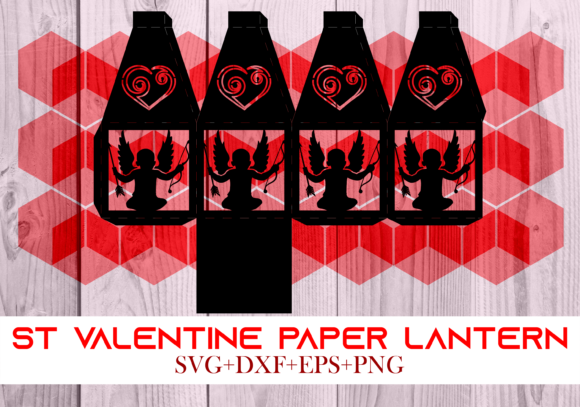
St Valentine Paper Lantern Series 0096 Review
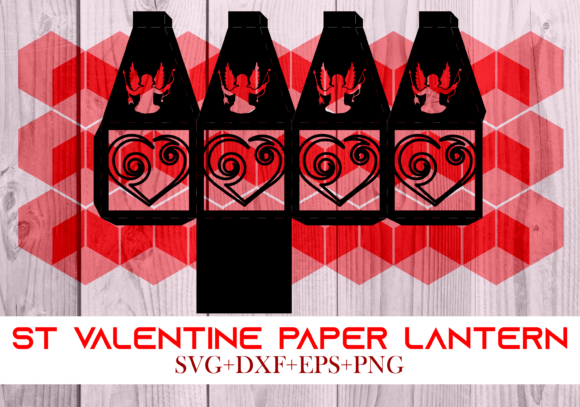
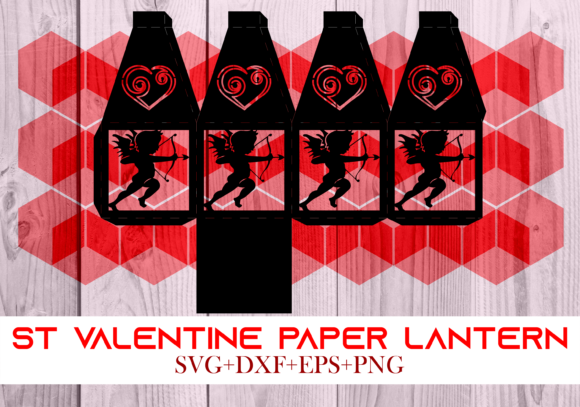
As a designer who constantly evaluates digital assets for both paper crafting and textile applications, I approach every new file with a specific question: does this design translate effectively from screen to physical medium? When reviewing the St Valentine Paper Lantern Series 0096, my initial assessment focuses on its structural integrity and aesthetic versatility. While primarily categorized as a 3D SVG for paper assembly, the geometric precision and romantic silhouette make it a compelling candidate for adaptation into machine embroidery design projects. For Etsy sellers and small shop owners looking to expand their holiday inventory beyond standard heart motifs, this lantern offers a sophisticated alternative that feels curated rather than generic.
Evaluating Structural Lines for Textile Adaptation
The first thing I look for in any embroidery file derived from vector art is line clarity. The St Valentine Paper Lantern Series 0096 features clean, deliberate lines necessary for paper folding, which fortunately translates well to stitch paths. In a real-world scenario, I recently tested this concept for a custom embroidered tote bag intended as a boutique Valentine’s Day giveaway. The challenge with many holiday designs is that they rely too heavily on dense fill stitch areas that can distort lightweight canvas or cause puckering on linen. However, because this design originates as a paper lantern template, the negative space is inherent to the structure.
This openness is a massive advantage for apparel decorators. When adapting this shape for sweatshirt embroidery or baby clothes, you are not fighting against excessive stitch density. Instead of a heavy block of thread, you can utilize running stitch outlines to mimic the paper fold lines, reserving satin stitch only for the outer borders or key decorative elements. This reduction in stitch count preserves the drape of the fabric, making it suitable for garments where comfort is paramount. For craft business owners, this means faster production times and less stabilizer waste, directly impacting your profit margins on handmade products.
Real-World Application: From Digital File to Finished Product
I evaluated St Valentine Paper Lantern Series 0096 specifically with a mixed-media holiday gift set in mind. My goal was to create a cohesive brand experience where customers could purchase both the physical 3D paper lantern and a matching personalized gift, such as an embroidered tea towel or pillow cover. The visual personality of this design strikes a balance between vintage charm and modern minimalism. It avoids the cloying sweetness of some Valentine’s graphics, making it appropriate for adult home decor and high-end boutique branding.
During my test run on a textured linen tea towel, I found that the design’s aspect ratio—originally optimized for an 8.5 x 11.7 sheet—requires thoughtful resizing for hoops. The verticality of the lantern shape works beautifully on tote bags and aprons but may need scaling adjustments for smaller hoop sizes like 4x4. If you are creating embroidered patches, the intricate internal geometry serves as an excellent guide for applique design. You could use the lantern panels as separate fabric pieces joined by decorative stitching, adding tactile depth that a flat print simply cannot achieve. This level of detail signals professionalism and justifies a higher price point for commercial embroidery listings.
Navigating Fabric Constraints and Stabilizer Choices
While the design is versatile, it demands respect for fabric physics. Because St Valentine Paper Lantern Series 0096 relies on precise geometric alignment, it is unforgiving on unstable substrates. I would advise extreme caution when attempting this on stretchy knits without proper stabilization. The straight lines that define the lantern’s form will appear wavy or distorted if the fabric shifts during stitching. For t-shirts or lightweight baby embroidery, always use a cut-away stabilizer and consider a topping if the fabric has a pile or texture that might swallow fine running stitches.
Dark fabrics present another consideration. The original digital file likely assumes a white paper background. When translating this to navy or burgundy sweatshirts, you must verify thread color contrast. A white or cream thread is essential for the internal lattice work to remain visible; otherwise, the design loses its architectural definition. I recommend testing the design in black and white mockups before committing to production. This simple step helps identify whether the value separation is strong enough to read clearly at a distance, ensuring your finished product looks crisp in listing photos and in person.
Commercial Viability and Brand Consistency
For digital product sellers and creative entrepreneurs, asset consistency is key to building customer trust. Using St Valentine Paper Lantern Series 0096 across multiple mediums strengthens brand recognition. Imagine offering a printable mockup of the paper lantern alongside a digital embroidery file of the same motif. This cross-pollination appeals to makers who want coordinated decor. However, you must confirm licensing before selling finished items or distributing the digitized version. Always check if the original creator permits commercial embroidery use or derivative works.
From a sales perspective, this design performs best when marketed as part of a "heritage" or "cottagecore" Valentine’s collection rather than a generic love theme. Its structured, lantern-like appearance evokes nostalgia and warmth. When photographing your samples for Etsy listings, style the embroidered item next to the actual paper lantern. This contextual presentation demonstrates the design’s versatility and helps buyers visualize the end result. It transforms a simple embroidery project into a lifestyle aspiration, significantly boosting buyer engagement.
Essential Designer Notes for Successful Execution
Before loading this design into your machine, adhere to these practical checkpoints to ensure professional results:
- Verify Dimensions: Since the source is sized for paper (8.5 x 11.7), measure your target garment area carefully. Do not assume the digital size equals the ideal stitch size.
- Test Stitch Density: Run a sample on scrap fabric identical to your final project. Check if the running stitches sink into the weave or sit properly on top.
- Inspect Corner Details: Sharp angles in vector files sometimes convert to messy stitch clusters. Manually adjust corner nodes in your embroidery software if needed to prevent thread buildup.
- Check Hoop Compatibility: Ensure the resized design fits comfortably within your hoop with adequate margin for stabilizer clamping. Distortion often occurs when designs are pushed to the hoop's absolute limit.
- Evaluate Washability: If using this for kitchen towels or baby items, test wash the sample. Intricate geometric lines can pull or fray if the stitch length is too short for frequent laundering.
- Mockup Validation: Create both light and dark background previews to ensure the design reads well regardless of the base fabric color chosen by your client.
Ultimately, St Valentine Paper Lantern Series 0096 is more than just a seasonal decoration; it is a structural blueprint for elevated textile art. By respecting its origins while adapting its geometry for thread and fabric, makers can produce unique, high-value goods that stand out in a saturated market. Whether you are stitching a custom apron for a cafe or designing a limited-edition holiday capsule, this design offers the refined aesthetic necessary to turn casual browsers into loyal customers. Just remember to validate your technical settings first—the difference between a homemade craft and a professional product lies entirely in that preparation.