3D Layered Mandala Cut File: 3D SVG Shapes Review
Evaluating Visual Depth for a Boutique Wellness Rebrand
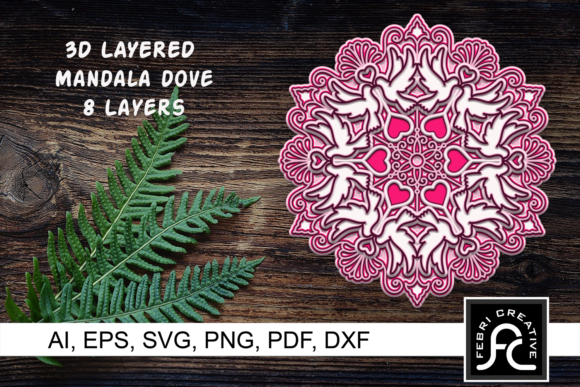
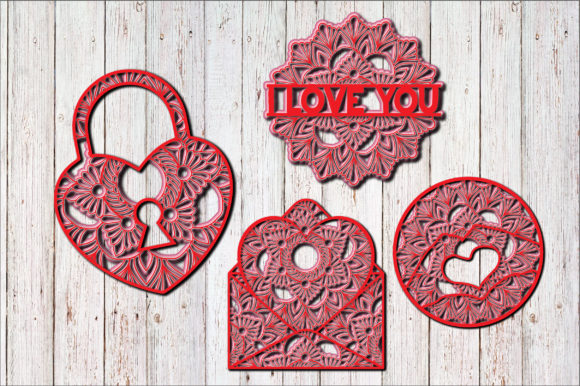
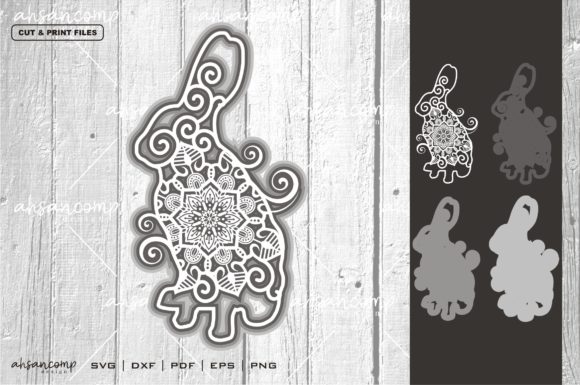
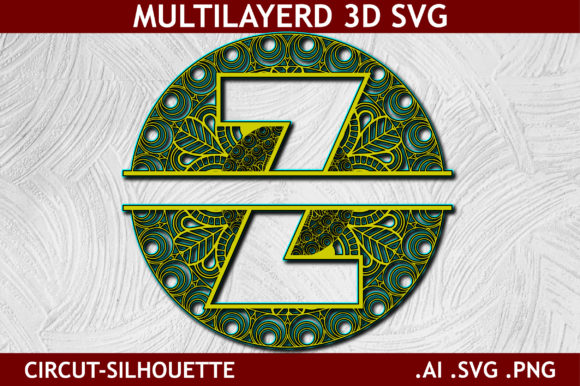
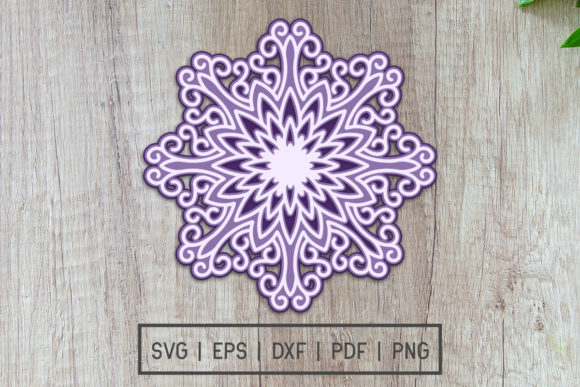
When approaching a rebrand for a holistic wellness boutique, the primary challenge is often balancing spiritual aesthetics with professional credibility. Clients in this space frequently request visuals that feel organic and intricate without appearing cluttered or amateurish. Upon reviewing the 3d Layered Mandala Cut File, my immediate impression was one of structured tranquility. Unlike flat vector art, this asset utilizes stacked geometry to create genuine physical depth when fabricated, translating into a sense of premium craftsmanship even in digital mockups. The mood is meditative yet precise, avoiding the chaotic energy sometimes associated with overly complex bohemian graphics. For a client project involving packaging design or storefront signage, this level of detail suggests intentionality and care, which are critical attributes for building trust in the wellness sector.
Translating Digital Vectors into Tangible Brand Experiences
In a real-world scenario, I tested this asset across multiple touchpoints for a hypothetical product launch. As a graphic design asset, its versatility shines brightest when the medium supports its dimensional nature. For packaging design, specifically rigid boxes for essential oils or tea blends, the layered structure serves as an excellent embossing or laser-cut template. It transforms a standard container into a tactile experience that encourages customer interaction. In the realm of print-on-demand merchandise, such as tote bags or high-quality apparel, the design works exceptionally well as a focal point for t-shirt design or embroidery digitizing, provided the production method can handle the intricacy.
For digital applications like social media graphics or website hero sections, the file requires thoughtful adaptation. While it functions beautifully as a background texture at low opacity, using it as a primary visual element demands high contrast against solid colors to maintain legibility on screens. I found it particularly effective for Pinterest pins and Instagram posts promoting seasonal sales or mindfulness workshops, where the ornate nature of the mandala stops the scroll. However, for logo design, caution is necessary. This asset is too detailed to serve as a standalone logomark due to scalability issues; instead, it should be utilized as a supporting brand element or a secondary pattern within the broader brand identity system.
Strategic Placement: Maximizing Impact Without Clutter
Understanding where to deploy this 3D SVG is just as important as knowing how to edit it. The asset excels in large layout areas where its complexity can breathe. Consider using it as a decorative accent on wedding invitations, event programs, or luxury certificate borders. In these contexts, the shapes guide the eye inward, creating a natural frame for typography. For Etsy product listings or digital planners, it adds perceived value to printable design items, making them feel more substantial than competitors' flat graphics.
Conversely, there are environments where this asset should be used sparingly. Avoid placing it in small sizes, such as favicons or mobile navigation icons, as the layers will merge into visual noise. It also struggles in crowded layouts or against busy photographic backgrounds. If your client’s branding leans toward stark minimalism or corporate tech, this ornate style may clash with their established visual hierarchy. Furthermore, when designing for low-contrast mediums like newsprint or uncoated recycled paper, the subtle shadows defining the 3D effect may be lost, rendering the design flat and muddy. Always prioritize negative space around the mandala to preserve its elegance and ensure the final output maintains a polished, professional appearance.
Technical Assessment: File Integrity and Production Readiness
From a production standpoint, the technical delivery of this design bundle meets professional standards. You will receive these SVG files which are available to download immediately after purchase, ensuring no delays in tight project timelines. The included ZIP folder contains SVG, DXF, EPS, PNG, and PDF formats, covering everything from Cricut cutting to commercial offset printing. Before integrating this into a commercial design workflow, I recommend several quality assurance checks:
- Vector Editability: Open the SVG and EPS files in Adobe Illustrator or Affinity Designer to verify that all paths are closed and nodes are clean. Poorly digitized vectors can cause jagged cuts on vinyl plotters or laser engravers.
- PNG Transparency: Inspect the PNG file for clean edges and proper alpha channels. This is crucial for sublimation design and overlaying onto colored backgrounds in Canva templates.
- Contrast Testing: Preview the design in pure black and white. If the 3D effect relies solely on color rather than luminance values, it may fail in monochrome applications like single-color screen printing or foil stamping.
- Typography Pairing: Test the mandala alongside various typefaces. It pairs best with clean sans-serif or modern serif fonts that provide stability. Avoid highly decorative script fonts, as they compete with the mandala’s intricacy and reduce readability.
- Scale Verification: Print a test swatch at both maximum and minimum intended sizes. Ensure the inner details do not fill in with ink or toner at smaller dimensions.
- Licensing Confirmation: Always review the specific commercial license terms included in the download. Verify whether you can use the asset in end products for sale versus personal use only, especially for digital sellers creating derivative works.
The Verdict: Elevating Handmade and Small Business Aesthetics
Ultimately, the 3d Layered Mandala Cut File is a robust tool for designers serving the handmade, artisan, and wellness markets. It bridges the gap between traditional craft aesthetics and modern digital fabrication. When used correctly, it enhances emotional appeal and signals quality to potential customers. For small business branding, it offers an affordable way to achieve custom-looking packaging and marketing materials without the cost of bespoke illustration. However, it demands restraint. Its power lies in its ability to command attention through detail, meaning it must be given room to perform. By respecting its visual weight and verifying its technical suitability for each specific application, designers can leverage this asset to create sophisticated, memorable brand experiences that resonate deeply with target audiences. Whether for a Cricut project, a boutique label, or a digital campaign, this asset proves that accessible design resources can still deliver professional-grade results when applied with strategic intent.